The Wine the World Hasn't Discovered Yet
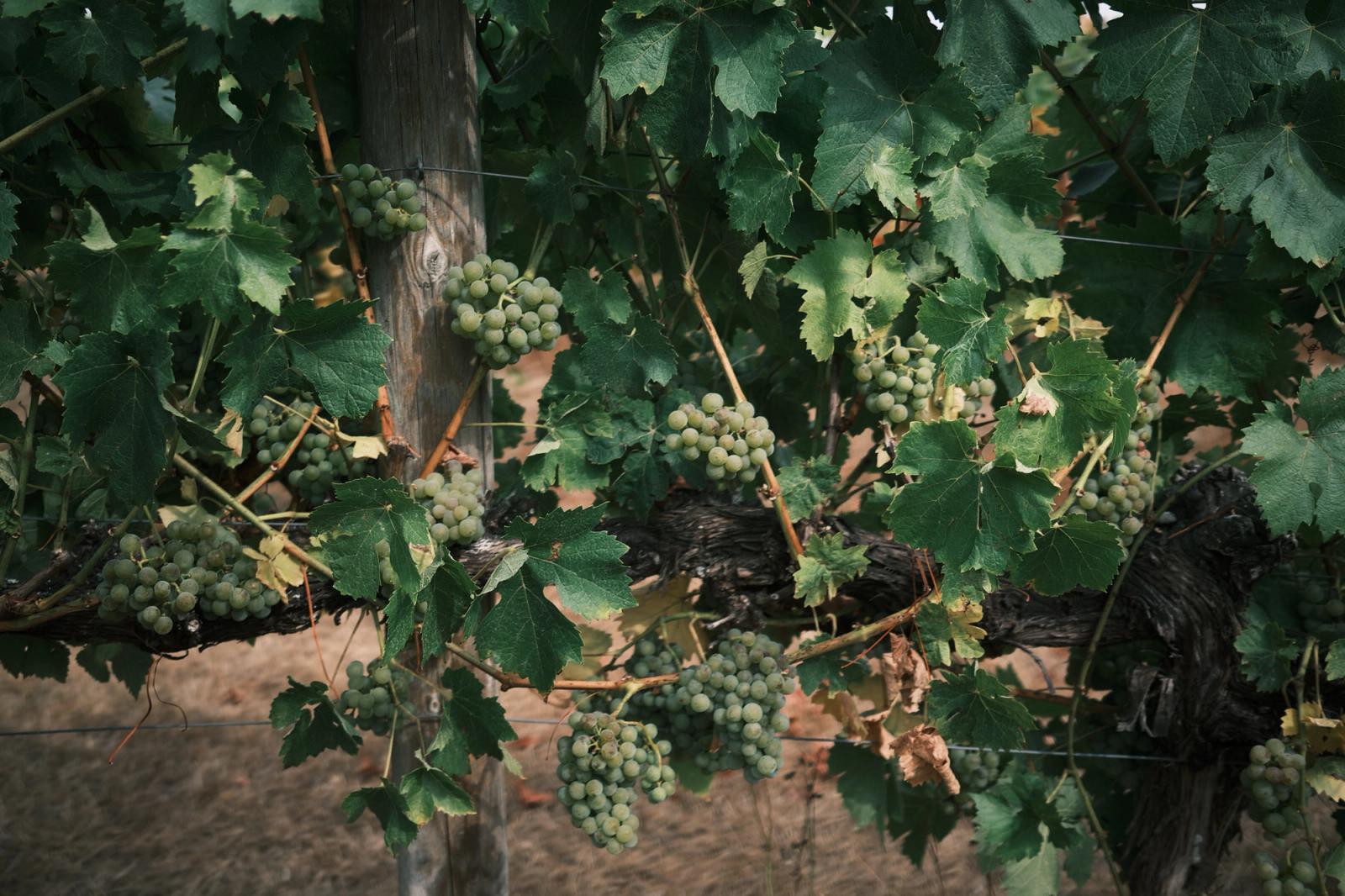
Moldovans will tell you they have been making wine for five thousand years, and the grape seeds in the ground go back about that far. I had never tried a bottle of it before this trip.
You can see why from the plane. The descent into Chișinău comes in low over black soil and small strip fields, vine and orchard and sunflower running to the horizon with almost nothing built on any of it. Chernozem (means black earth in Russian), covers most of the country, some of the most fertile ground in Europe, and Moldova sits at roughly the same latitude as Burgundy. From the air it reads as one enormous smallholding.
There is a reason it hasn't travelled, and it is not quality. For decades the entire industry pointed east, producing at volume for the Soviet Union and then for Russia. When Russia closed its border to Moldovan wine in 2006, the market vanished overnight and a great many wineries went under. The ones that survived rebuilt around something else entirely: smaller yields, grapes that grow nowhere else, and the kind of quality that had been actively discouraged for fifty years. That reinvention happened quietly, without an export machine behind it, which is why it has stayed a secret.
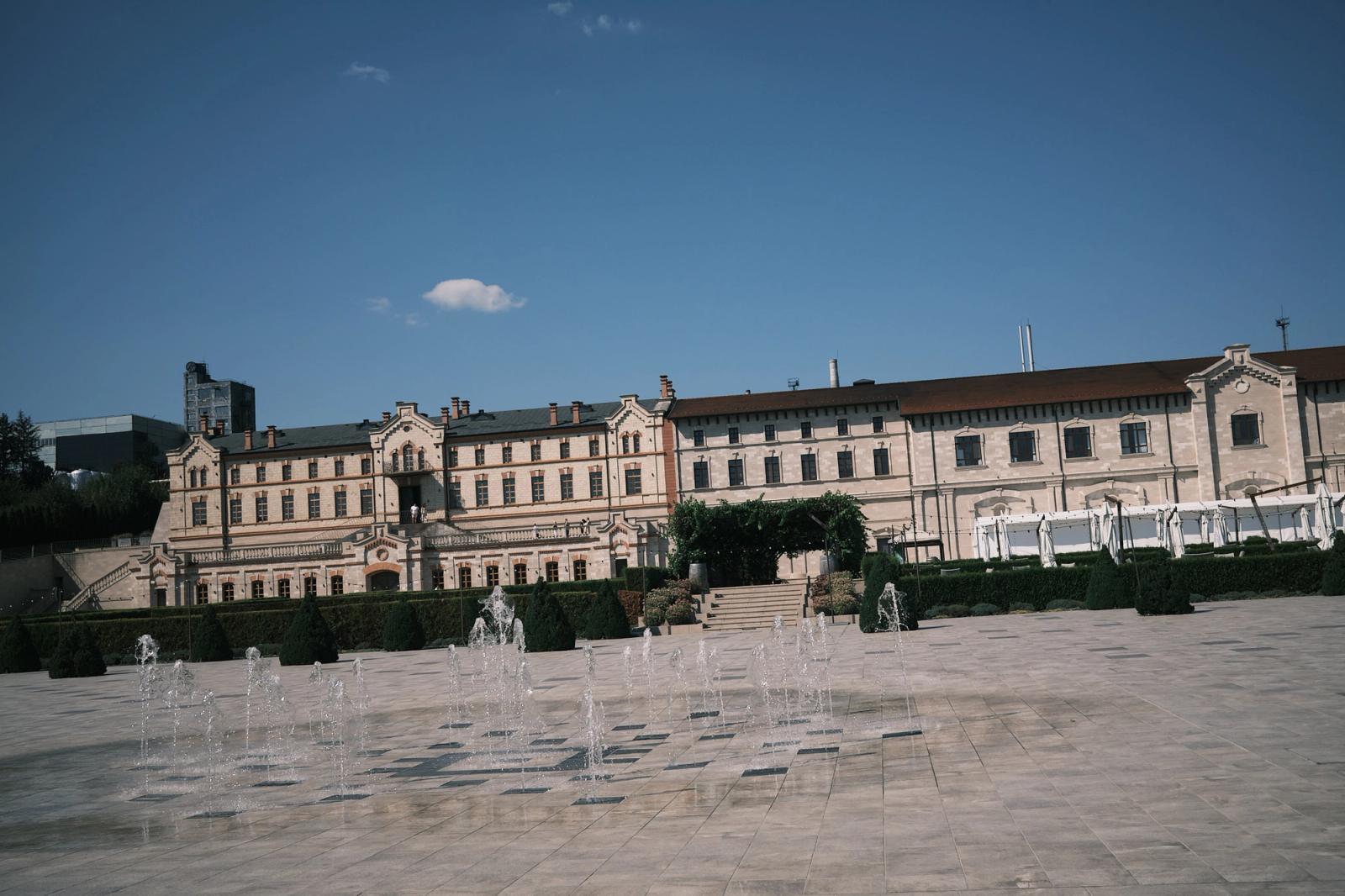
We started at Castel Mimi, the only chateau in the country, built in 1893 by Constantin Mimi after he studied winemaking in Montpellier. The Soviets nationalised it in 1940, plastered over the facade and tiled the limestone cellars so they could be hosed down. A local family bought it and it reopened in 2016.
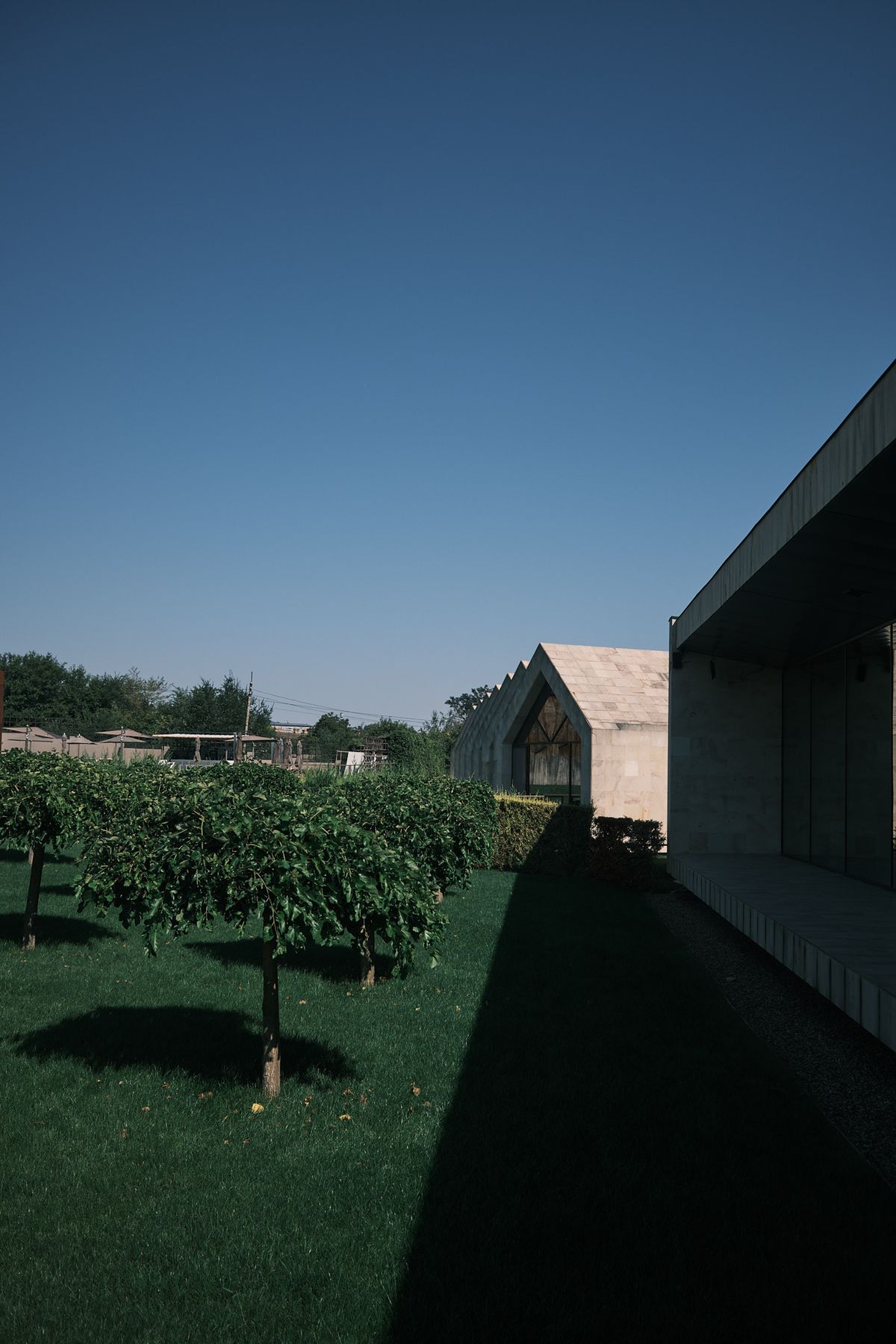
We also visited Asconi, a family winery founded in 1994 just outside Chișinău, and Plincuvin, half wine shop and half neighbourhood bar, stocked with small independent producers you can't buy at home.
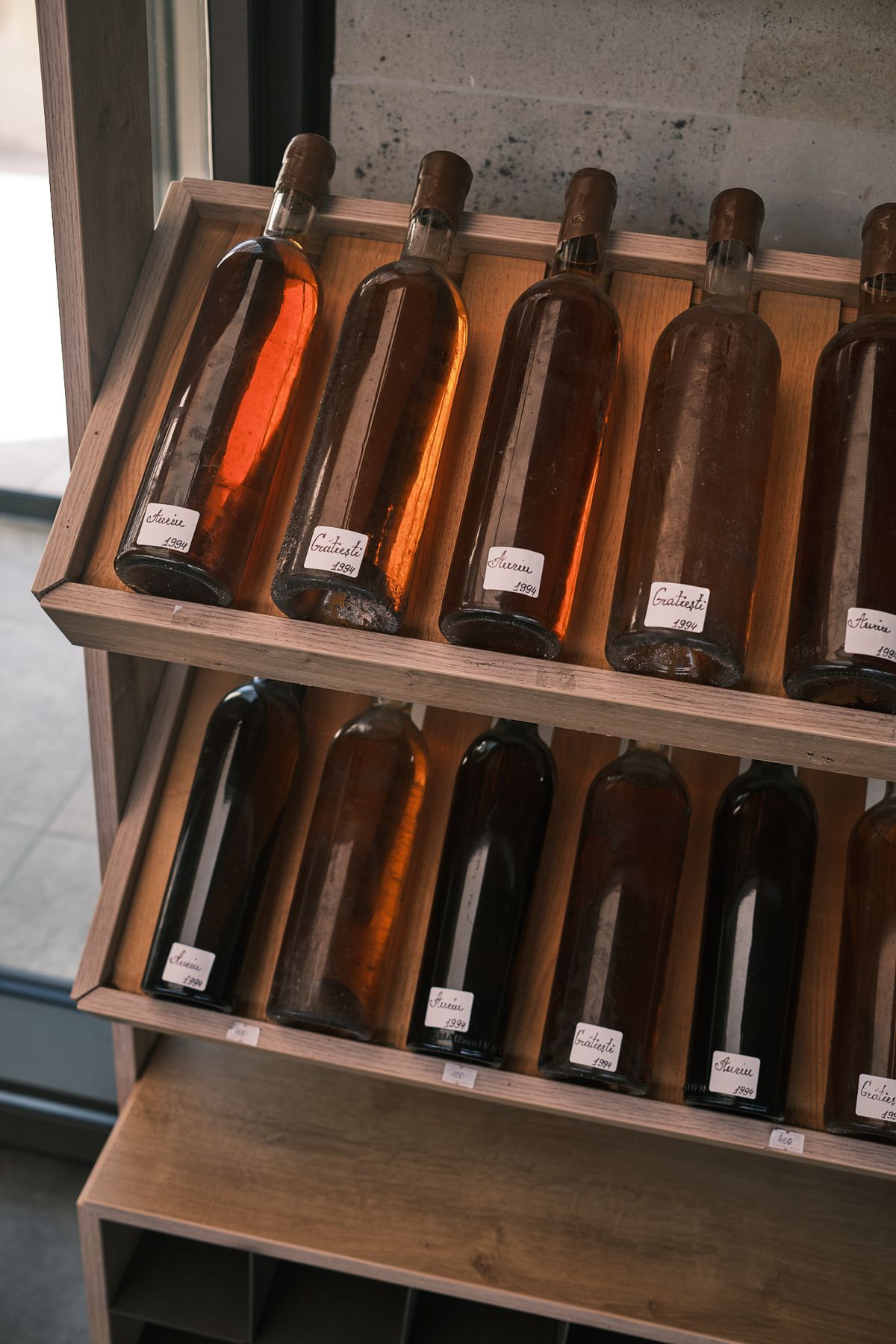
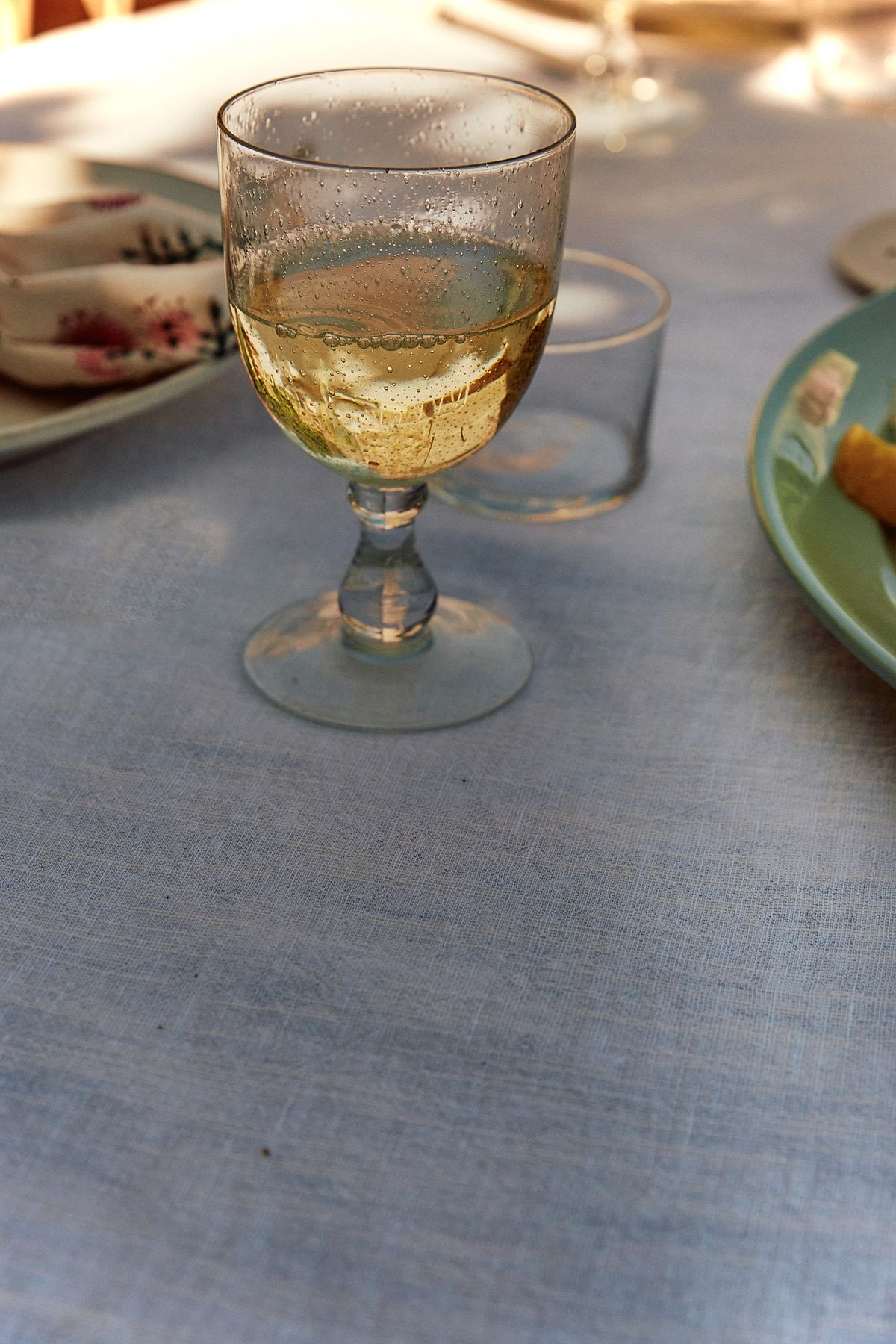
We drank a Floricica from Domeniile Vorniceni. It is a Moldovan crossing of Rhine Riesling and a French hybrid, recognised only recently and grown by a handful of producers, and it was dry, floral and mineral, it was delicious.
If you like wine, there is a holiday here that would cost a fraction of the equivalent in France or Italy, it would be much more unique and with more of an adventure attached to it.